

Types of Birds
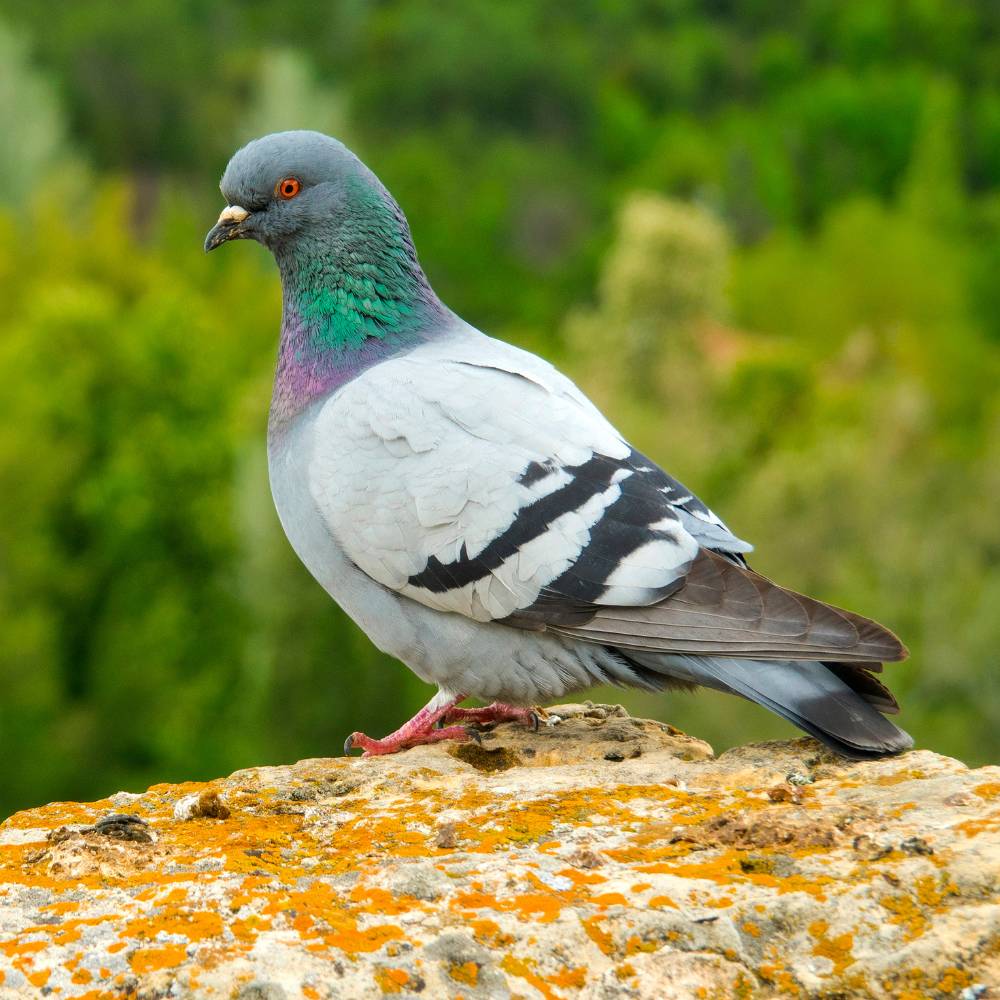
Pigeons
Pigeons, are one of the most recognizable and widespread bird species in the world. Found throughout North America, they thrive in urban, commercial, industrial, and agricultural environments where food, water, and shelter are readily available. Pigeons frequently roost on rooftops, warehouses, bridges, barns, food processing facilities, shopping centers, and other structures, where their droppings can create sanitation concerns, accelerate property deterioration, and increase maintenance costs. Large flocks can also contaminate livestock feed, damage crops, and pose health risks by harboring parasites and disease-causing pathogens. Because pigeons are highly adaptable and return to established roosting and feeding sites, implementing a proactive bird management program is essential for protecting property, maintaining clean environments, and reducing operational disruptions.
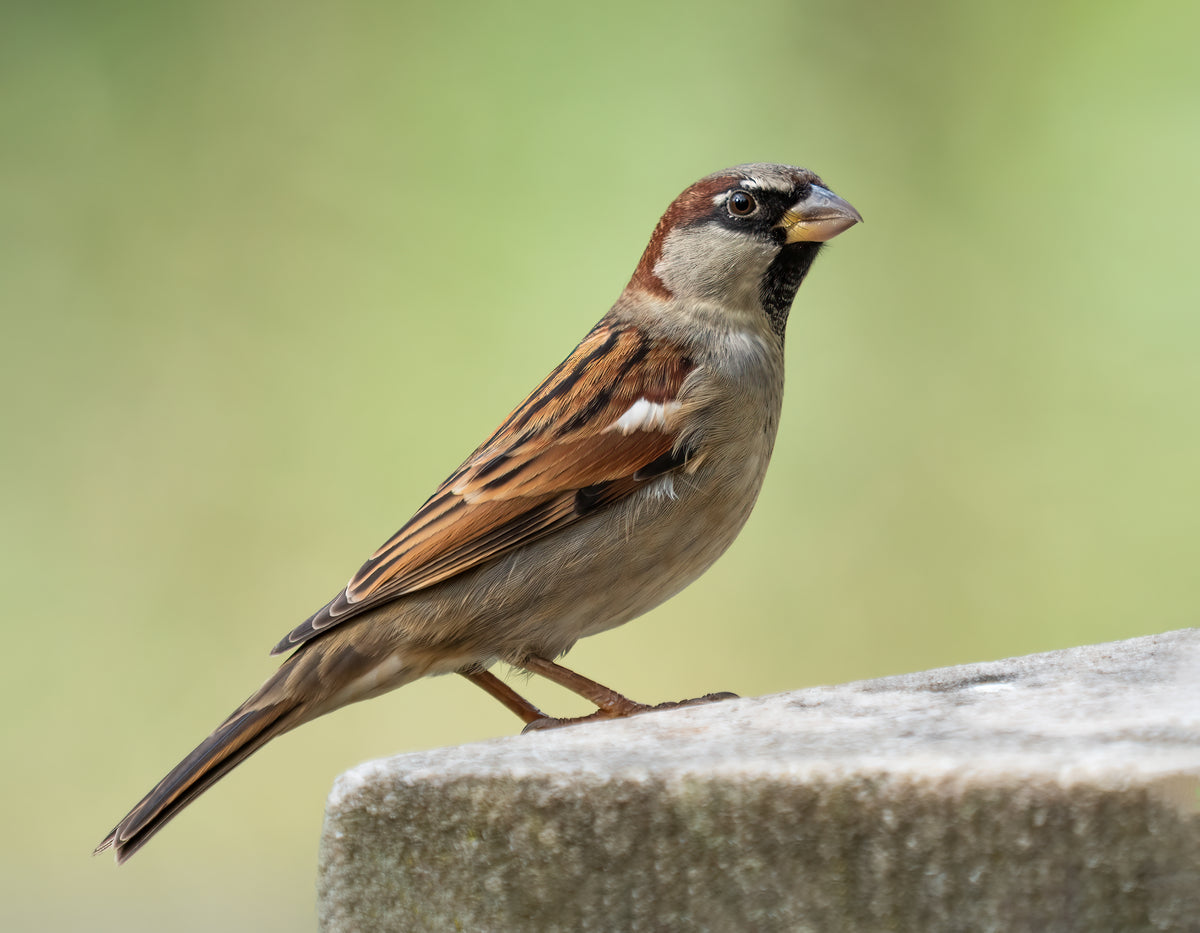
House Sparrow
House Sparrows are small, non-native birds found throughout North America that thrive in urban, suburban, commercial, and agricultural environments. Recognized by their brown and gray plumage and their tendency to nest on and inside buildings, House Sparrows are highly adaptable and reproduce quickly, allowing populations to grow rapidly. They commonly gather around farms, warehouses, food processing facilities, restaurants, schools, retail centers, and other structures where food and shelter are readily available. Their nesting materials can clog equipment and ventilation systems, while their droppings create sanitation concerns and increase maintenance costs. Because House Sparrows return to established nesting and feeding sites, implementing a proactive bird management program is essential for protecting property, maintaining clean facilities, and reducing operational disruptions.
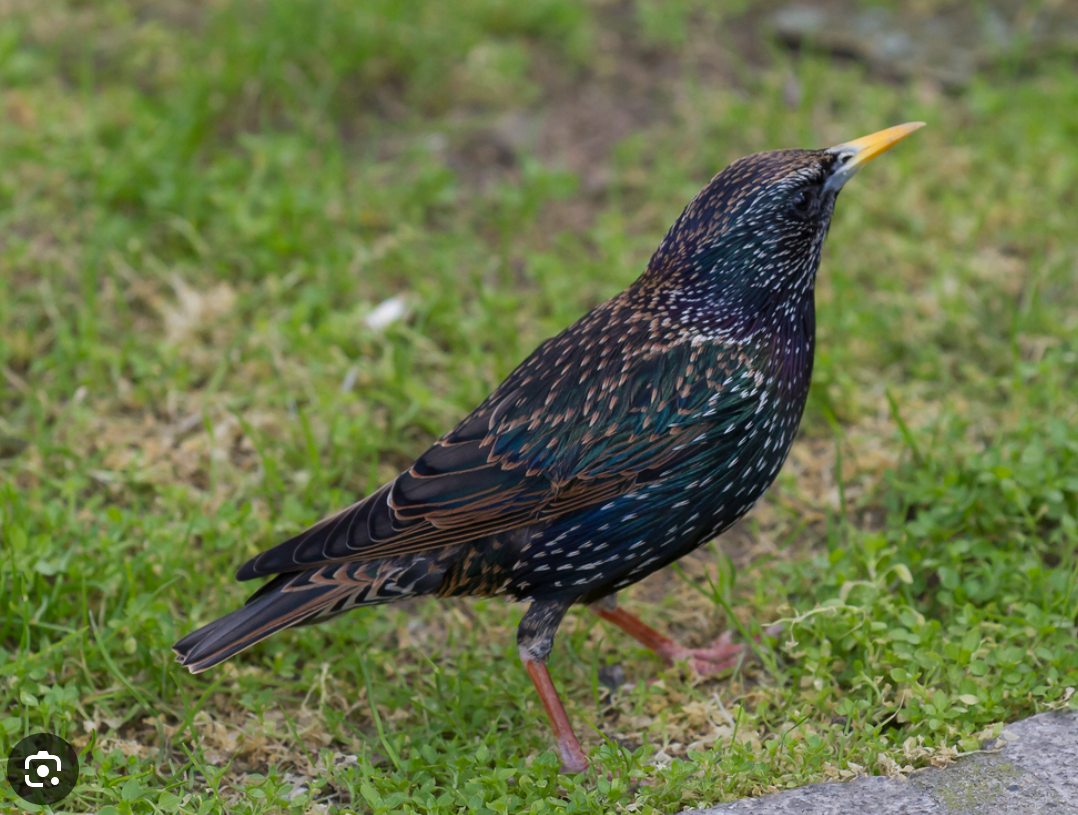
Starlings
European Starlings are medium-sized birds native to Europe that are now found throughout North America in agricultural, urban, and commercial environments. Known for their iridescent black plumage with white speckles and their ability to mimic sounds, starlings are highly social birds that gather in massive flocks, especially during the fall and winter months. These large flocks can consume and contaminate livestock feed, damage crops, create sanitation concerns with droppings, and pose risks around warehouses, food processing facilities, schools, airports, and other public spaces. Because starlings adapt quickly and return to reliable feeding and roosting sites, implementing a proactive bird management program is essential for protecting property, reducing maintenance costs, and maintaining clean, safe environments.
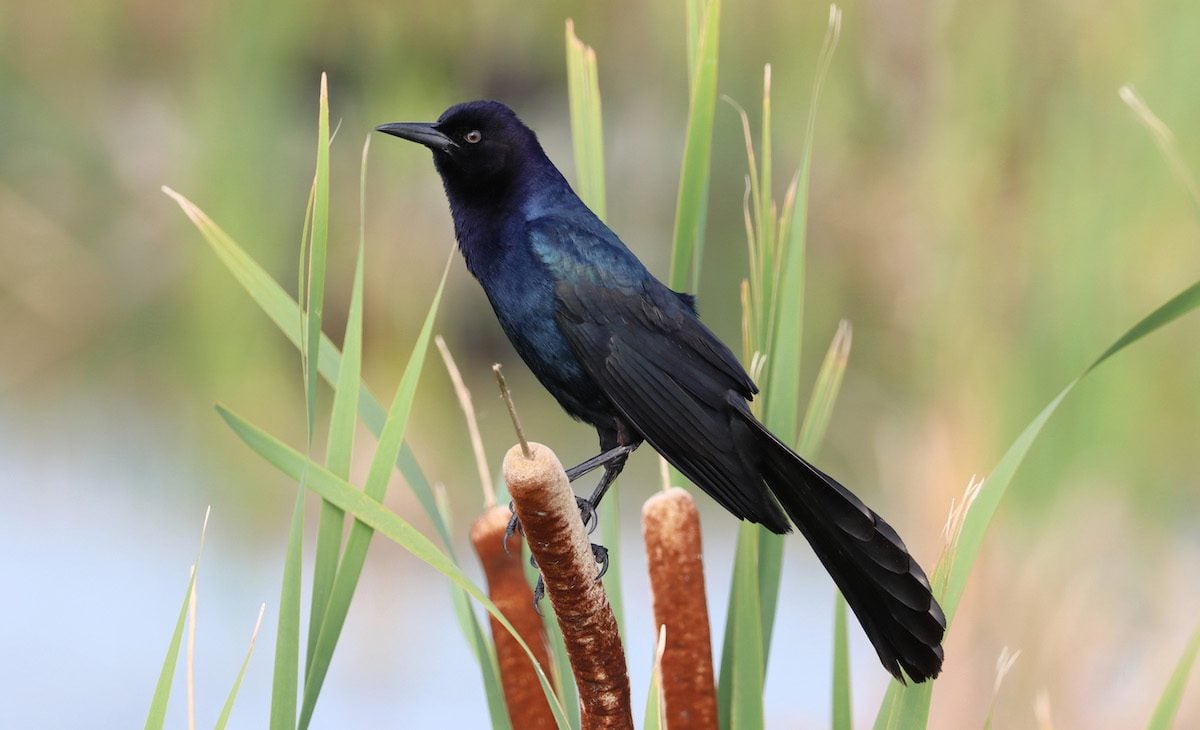
Grackles
Grackles are medium-sized blackbirds known for their iridescent feathers, long tails, and loud, distinctive calls. Highly intelligent and adaptable, they thrive in both urban and rural environments, often gathering in large flocks around farms, commercial properties, warehouses, parks, schools, and other public spaces. As opportunistic feeders, grackles can contaminate livestock feed, damage crops, create sanitation concerns, and leave behind droppings that pose health and maintenance challenges. Because their populations can grow quickly and return to familiar feeding sites, proactive bird management is essential for protecting property, maintaining clean environments, and reducing operational disruptions.
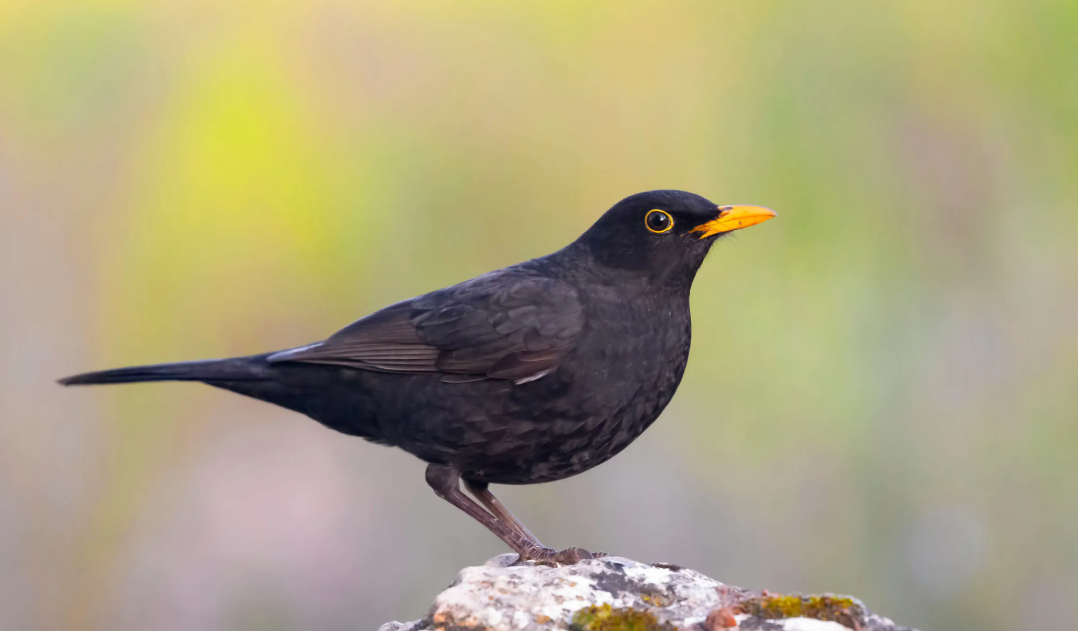
Blackbirds
Blackbirds are medium-sized songbirds commonly found throughout North America, especially near agricultural fields, commercial properties, wetlands, and urban areas. Many species, including the Red-winged Blackbird, European Starling, and Brown-headed Cowbird, gather in large flocks that can quickly become a nuisance. These birds feed on grains, seeds, and crops, contaminate livestock feed, create sanitation concerns with droppings, and produce loud roosting activity that can disrupt businesses and public spaces. Because blackbirds are highly adaptable and often return to reliable food sources, implementing a proactive bird management strategy is essential for protecting property, maintaining clean environments, and minimizing operational disruptions.

Cowbirds
Cowbirds are medium-sized blackbirds native to North America, best known for their unique nesting behavior of laying eggs in the nests of other bird species. They are highly adaptable and commonly found near livestock operations, agricultural fields, grasslands, commercial properties, and urban environments where food is readily available. Cowbirds often gather in flocks with blackbirds, grackles, and starlings, feeding on grains, seeds, and livestock feed. Large populations can contaminate feed, increase maintenance and cleanup costs, and contribute to sanitation concerns across agricultural, commercial, and public properties. Implementing a proactive bird management program helps reduce nuisance bird activity, protect valuable resources, and maintain cleaner, safer environments.

Crows
Crows are large, highly intelligent birds found throughout North America in urban, suburban, agricultural, and industrial environments. Known for their problem-solving abilities and adaptability, crows thrive around farms, food processing facilities, warehouses, landfills, parks, schools, and other commercial or public properties where food and shelter are readily available. Large groups of crows can damage crops, consume and contaminate livestock feed, create sanitation concerns with droppings, and generate excessive noise around roosting sites. Because crows quickly learn and return to dependable food sources, implementing a proactive bird management program is essential for protecting property, reducing operational disruptions, and maintaining clean, safe environments.